
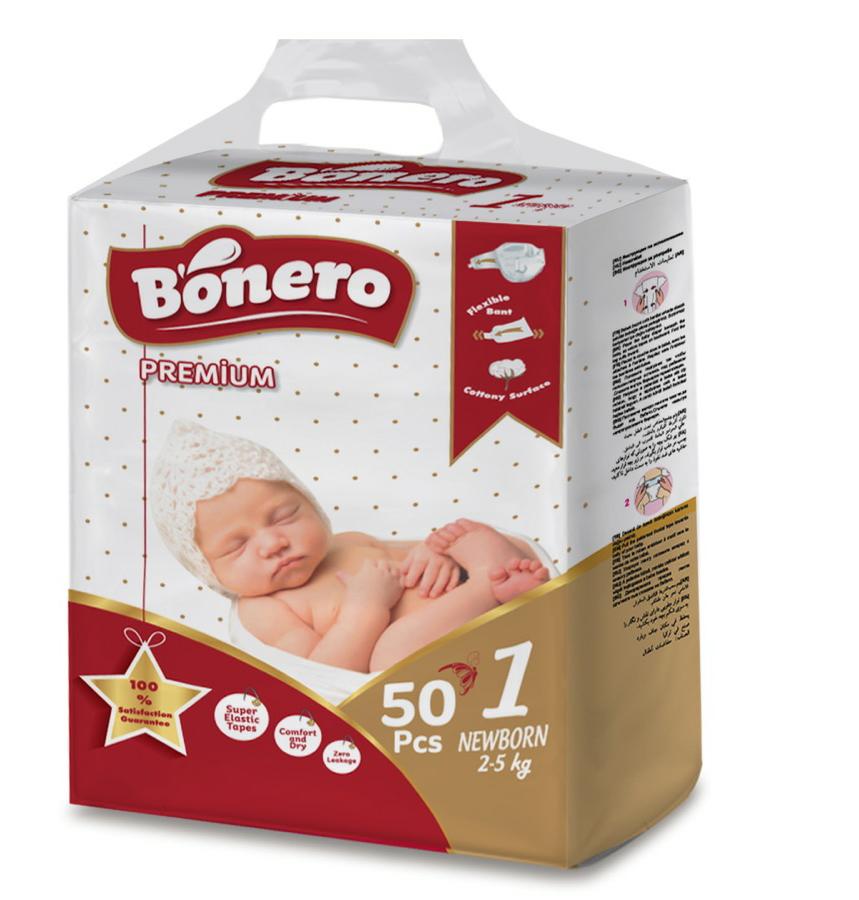
How Many Baby Diapers Does a Baby Use Per Day
One of the most common questions new parents ask is how many diapers a baby uses each day
The answer depends mainly on the baby’s age feeding routine bowel habits sleep pattern and how often the diaper is checked and changed
A newborn may use significantly more diapers than an older baby because newborns usually urinate and have bowel movements more frequently
As babies grow the number of diapers used each day generally decreases
Understanding average diaper consumption can help parents plan their daily routine and can also help retailers distributors and professional buyers estimate product demand
Average Number of Baby Diapers Used Per Day
There is no exact number that applies to every baby
However a general daily estimate can be useful
Newborn Babies
Newborn babies may use approximately
8 to 12 diapers per day
During the first weeks babies usually need frequent diaper changes
Newborns may urinate frequently and can also have several bowel movements during the day
Parents should check the diaper regularly rather than waiting for a fixed schedule
Babies Around 1 to 5 Months
Babies in this age group may commonly use around
7 to 10 diapers per day
As feeding patterns become more predictable diaper use may gradually become more regular
However some babies may still require more frequent changes
Babies Around 6 to 12 Months
Older infants may commonly use approximately
5 to 8 diapers per day
At this stage babies may begin eating solid foods and their bowel habits can change
The number of wet diapers may also become more predictable
Toddlers
Toddlers who are still using diapers may use approximately
4 to 6 diapers per day
The exact number depends on age toilet training progress fluid intake and daily routine
These figures are general estimates only
Every baby is different and parents should always change the diaper according to the baby’s actual needs
Baby Diaper Usage by Age
A simple age based overview can help parents estimate how many diapers they may need
| Baby Age | Approximate Diapers Per Day |
|---|---|
| Newborn | 8 to 12 |
| 1 to 5 months | 7 to 10 |
| 6 to 12 months | 5 to 8 |
| 12 months and older | 4 to 6 |
These numbers are approximate and actual daily use can vary
Some babies may use fewer diapers while others may need more
Why Do Newborns Use More Diapers
Newborn babies generally require more frequent diaper changes than older babies
There are several reasons for this
Frequent Feeding
Newborns feed many times during the day and night
Frequent milk intake often results in more frequent urination
More Frequent Bowel Movements
Some newborns may have bowel movements several times per day especially during the first weeks
Sensitive Skin
Newborn skin can be especially delicate
Regular diaper checks and timely changing can help keep the diaper area more comfortable
Smaller Diaper Capacity
Newborn diapers are smaller than larger baby diaper sizes
Even when they provide good absorbency they hold less overall liquid than larger diapers simply because of their smaller size
How Often Should a Baby Diaper Be Changed
Parents should not rely only on a strict number of hours
A baby diaper should be checked regularly and changed whenever necessary
A change may be needed when
- The diaper is clearly wet
- The diaper feels heavy
- There has been a bowel movement
- The diaper begins to leak
- The baby appears uncomfortable
- The diaper has shifted out of position
- The skin needs cleaning and care
After a bowel movement the diaper should generally be changed promptly
This can help reduce prolonged contact between the baby’s skin and stool
Should You Change a Baby Diaper After Every Feeding
Not necessarily
Some newborns may need a diaper change before or after many feedings especially during the first weeks
However the best approach is to check the diaper rather than automatically changing it after every feeding
If the diaper is dry and comfortable a change may not always be necessary
If it is wet soiled heavy or uncomfortable it should be changed
How Many Diapers Does a Newborn Use in One Month
If a newborn uses approximately 8 to 12 diapers per day the monthly requirement can be substantial
For example
8 diapers per day may equal approximately 240 diapers in 30 days
10 diapers per day may equal approximately 300 diapers in 30 days
12 diapers per day may equal approximately 360 diapers in 30 days
This explains why many parents purchase newborn diapers in larger quantities
However parents should be careful not to overstock the smallest diaper size because babies can grow quickly
How Many Diapers Does a Baby Use in the First Year
The total number can vary considerably
A baby who uses an average of 6 to 10 diapers per day during different stages of the first year can use several thousand diapers before reaching the first birthday
The exact amount depends on
- Baby’s age
- Daily diaper changing routine
- Feeding pattern
- Bowel habits
- Overnight diaper use
- Diaper absorbency
- Fit
- Toilet training stage later on
For parents this means diaper planning is an important part of the baby care budget
Does Diaper Absorbency Affect How Many Diapers Are Used
Yes absorbency can influence diaper consumption
A diaper that does not provide enough absorbency for the baby’s needs may need to be changed more often because of
- Leakage
- Excess moisture
- Heavy feeling
- Reduced comfort
However using a highly absorbent diaper does not mean parents should leave the same diaper on indefinitely
Regular checking is still important
The goal should be to balance absorbency comfort skin care and practical usage
Does Diaper Size Affect Daily Diaper Consumption
The correct diaper size can also affect how often diapers need to be changed
A diaper that is too small may
- Leak more easily
- Feel tight
- Provide insufficient coverage
- Become saturated quickly
A diaper that is too large may
- Leave gaps around the legs
- Shift during movement
- Cause leakage
- Fit poorly around the waist
Choosing the correct size helps the diaper perform more effectively
Signs That a Baby May Need a Larger Diaper Size
Parents may consider moving to the next diaper size when they notice
- Frequent leaks
- Tight marks around the waist or thighs
- Difficulty fastening the diaper
- The diaper sitting too low
- The baby reaching the upper weight range for the current size
- Reduced overall comfort
Diaper size should be selected according to both weight guidance and actual fit
How Many Diapers Should Parents Keep at Home
Keeping enough diapers at home can make daily baby care easier
Parents may want to maintain enough stock for several days rather than waiting until the last few diapers remain
For example a newborn using around 10 diapers per day could use around 70 diapers in one week
An older baby using around 6 diapers per day could use around 42 diapers in one week
Families should also consider
- Travel
- Day care
- Overnight needs
- Unexpected extra changes
- Delivery or shopping schedules
Daytime vs Nighttime Diaper Use
Diaper consumption can differ between day and night
Daytime
During the day babies are usually checked more frequently
Parents may change diapers after feeding bowel movements naps or when the diaper becomes wet
Nighttime
Some older babies may use fewer diapers overnight because they sleep for longer periods
A suitable nighttime diaper with good absorbency and proper fit may help reduce unnecessary overnight changes when the baby is comfortable and the diaper is not soiled
Newborn babies however often wake frequently during the night and may need more regular diaper checks
Can Parents Use Fewer Diapers Without Reducing Comfort
Parents should not focus only on reducing the number of diapers used
The priority should be keeping the baby clean comfortable and appropriately dry
However unnecessary diaper changes may sometimes be avoided by
- Choosing the correct size
- Selecting appropriate absorbency
- Checking the diaper before changing
- Using a suitable diaper for daytime and nighttime needs
- Ensuring proper placement
- Fastening the diaper correctly
The goal is efficient diaper use without compromising comfort
How to Put a Baby Diaper on Correctly
Correct diaper placement can help reduce leakage and unnecessary changes
Parents should generally
- Place the baby on a clean safe surface
- Clean and dry the diaper area
- Position the diaper evenly
- Make sure the back and front are centered
- Keep the leg barriers properly positioned
- Fasten the diaper securely without making it too tight
- Check that there are no large gaps around the waist or legs
A correctly fitted diaper can support better absorbency performance
Why Frequent Leaks Can Increase Diaper Consumption
When diapers leak parents may need to change both the diaper and the baby’s clothes
This can increase daily diaper use and make care more difficult
Common reasons for leakage may include
- Wrong diaper size
- Incorrect placement
- Insufficient absorbency
- Folded leakage barriers
- Wearing the diaper too long
- High movement
- Incorrect fastening
Solving the cause of leakage may help reduce unnecessary diaper consumption
Baby Diaper Usage During Travel
Parents may want to carry more diapers than their normal daily average when traveling
For example if a baby normally uses 6 diapers per day parents may prefer to pack additional diapers for
- Delays
- Extra bowel movements
- Leakage
- Temperature changes
- Longer travel time
- Unexpected overnight stays
Travel bags should also contain wipes spare clothing and appropriate diaper disposal bags when needed
Baby Diaper Consumption for Day Care
Babies attending day care may need several diapers sent with them each day
The exact number depends on
- Time spent at day care
- Age
- Diaper changing policy
- Baby’s individual routine
Parents should ask the day care provider how many diapers they normally recommend sending
Keeping a few extra diapers available can also be useful
Baby Diaper Consumption and Household Budget
Because babies can use several diapers per day diapers represent a regular household expense
Parents comparing products should look beyond only the price per pack
It can also be useful to consider
- Number of diapers per pack
- Cost per diaper
- Absorbency performance
- Fit
- Leakage frequency
- Comfort
- Number of unnecessary changes
- Size availability
A lower pack price does not always mean a lower total daily cost if more diapers need to be used
What Should Importers and Distributors Consider
Daily diaper consumption is also important for professional buyers
Baby diapers are repeat purchase products and families may purchase them regularly for several years
Importers distributors wholesalers supermarkets and pharmacies should consider
- Demand by diaper size
- Average daily consumption
- Pack count preferences
- Retail price points
- Newborn demand
- Fast moving sizes
- Premium and economic segments
- Local birth rates and demographics
- Sales channels
- Packaging requirements
Offering several diaper sizes can help retailers continue serving the same customer as the baby grows
Why Pack Size Matters for Baby Diapers
Different families may prefer different pack sizes
Small packs may be suitable for
- Trying a new product
- Travel
- Emergency purchases
- Babies close to changing sizes
Larger packs may be suitable for
- Regular home use
- Families seeking better cost per diaper
- High usage stages such as the newborn period
- Wholesale and promotional purchases
Retailers can benefit from offering more than one pack format when possible
BONFIX Baby Diapers for Everyday Baby Care
BONFIX Baby Diapers are designed for everyday baby care and can be supplied for different retail and international B2B markets
When choosing a baby diaper parents and professional buyers should consider
- Correct size
- Absorbency
- Comfortable fit
- Leakage protection
- Softness
- Ease of use
- Packaging quantity
Product specifications available sizes pack quantities carton information and commercial conditions should be confirmed according to the current BONFIX product range
How Professional Buyers Can Request BONFIX Baby Diaper Information
Importers distributors wholesalers supermarkets and other professional buyers can request information including
- Available sizes
- Pieces per pack
- Packs per bale or carton
- Packaging dimensions
- Product specifications
- Loading quantities
- MOQ
- Samples
- Export prices
- Private label possibilities
- Documentation
These details can help buyers calculate market pricing storage needs and container planning
Conclusion
The number of baby diapers used per day changes as a baby grows
Newborns may use approximately 8 to 12 diapers per day while older babies may use fewer as their routines become more predictable
However there is no single number that applies to every baby
Parents should focus on regular diaper checks timely changes correct sizing good absorbency and overall comfort rather than trying to reach a specific daily diaper count
Choosing a well fitting diaper that matches the baby’s age size and daily needs can help create a more comfortable and practical diaper changing routine
Frequently Asked Questions
1 How Many Diapers Does a Newborn Use Per Day
A newborn may commonly use around 8 to 12 diapers per day although individual needs vary
2 How Many Diapers Does a 6 Month Old Use Per Day
Many babies around 6 months may use approximately 5 to 8 diapers per day depending on feeding bowel movements and changing routine
3 How Many Diapers Should I Buy for One Month
This depends on the baby’s age and daily usage
A newborn using 10 diapers per day could use approximately 300 diapers in 30 days
4 Should I Change the Diaper Every Time My Baby Pees
Parents should regularly check the diaper and change it according to wetness comfort and the diaper’s condition
A soiled diaper after a bowel movement should generally be changed promptly
5 Does a More Absorbent Diaper Mean Fewer Changes
Better absorbency may help reduce leaks and unnecessary changes but diapers still need regular checking and should not be worn indefinitely
6 Why Is My Baby Using More Diapers Than Average
Higher diaper use may be related to age frequent feeding bowel habits smaller diaper size leakage or a family’s changing routine
7 How Many Diapers Should I Pack for a Day Out
Parents can start with the baby’s usual daily rate and bring additional diapers for unexpected changes delays or leakage
8 When Does Baby Diaper Usage Start to Decrease
Diaper consumption often begins to decrease gradually as babies grow feeding patterns change and bowel habits become more predictable