
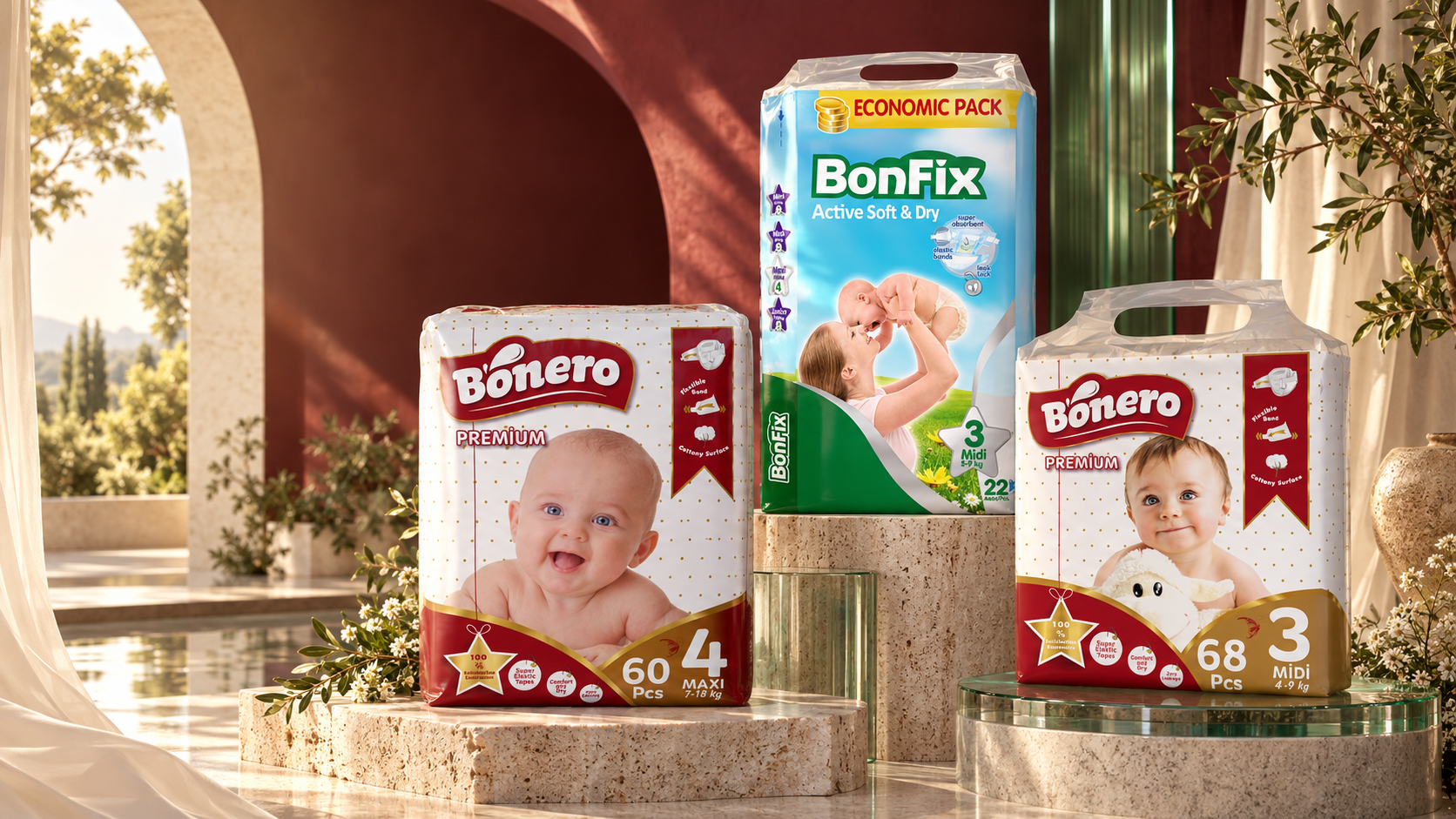
OEM vs Private Label Diapers: What Is the Difference?
OEM and private label are often used in B2B diaper sourcing, but the exact scope of each model can vary between suppliers and projects. Buyers should clarify the commercial arrangement, branding process, packaging workflow, product discussion, approvals, and responsibilities before starting a project.
1. Understand the Commercial Model
Private label commonly refers to products sold under the buyer’s own brand. OEM may refer to a broader manufacturing cooperation model. The exact definition should be confirmed directly with the supplier.
2. Define Brand Ownership and Presentation
Discuss who provides the brand identity, packaging artwork, label information, language content, and marketing presentation.
3. Clarify Product Discussion Scope
Agree on which product options are relevant to the project. Do not assume features, materials, performance, certifications, dimensions, pack counts, MOQ, or lead times unless directly confirmed.
4. Review Packaging Workflow
Clarify artwork responsibilities, revision process, approval stages, packaging coordination, and carton planning.
5. Confirm Buyer and Supplier Responsibilities
Document who is responsible for project inputs, artwork approval, commercial documents, export coordination, shipment planning, and destination-market requirements.
6. Request Samples
Use samples to support your internal commercial, market, regulatory, and quality review before confirming an order.
7. Plan Import and Distribution
Coordinate shipping terms, customs process, warehouse handling, local delivery, and your intended distribution model.
8. Choose the Model That Fits Your Strategy
The appropriate model depends on your market, brand strategy, purchasing plan, project requirements, and long-term commercial goals.