
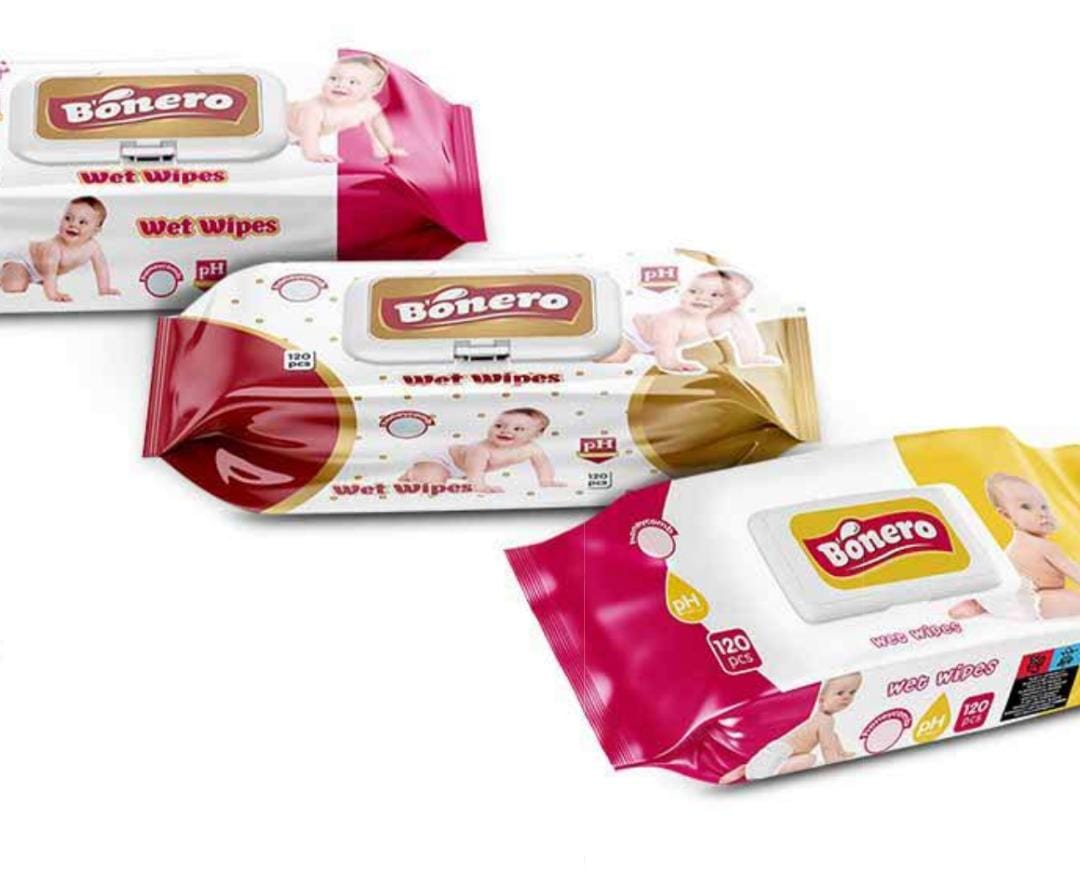
Differences Between 120-Pack and 60-Pack Wet Wipes
A Practical Guide for B2B Buyers and Distributors
Wet wipes have become an essential hygiene product across global markets. From supermarkets and pharmacies to convenience stores and wholesale distribution networks, demand continues to grow as consumers seek convenient and portable cleaning solutions.
For importers, distributors and retail chains, choosing the right packaging format is a strategic decision. Among the most common options in the market are 120-pack wet wipes and 60-pack wet wipes. While both serve similar functions, the differences in size, usage, logistics and target consumers can significantly influence purchasing decisions and sales performance.
Understanding these differences helps B2B buyers select the most suitable product configuration for their target markets.
Overview of Wet Wipes Packaging Formats
Wet wipes are typically produced in various pack sizes depending on consumer needs and retail positioning. The most common retail formats include:
-
Small travel packs
-
Medium household packs
-
Large family packs
Among these, 60-pack and 120-pack wet wipes are two of the most popular formats used by international distributors.
Each format targets slightly different usage patterns and sales environments.
120-Pack Wet Wipes: High-Volume Household Use
Designed for Daily Use at Home
The 120-pack wet wipes format is typically positioned as a family-size or household pack. Consumers who regularly use wet wipes for personal hygiene, baby care or home cleaning often prefer larger packs because they provide better value per wipe.
This format is commonly sold in:
-
Supermarkets and hypermarkets
-
Pharmacy chains
-
Large retail stores
-
Cash-and-carry wholesalers
Advantages for Distributors
For B2B buyers, larger pack sizes can offer several commercial benefits:
1 Higher perceived value for consumers
A 120-pack offers more wipes per package, which is attractive to families and regular users.
2 Lower cost per wipe
Bulk packaging generally reduces the unit cost, making it easier for retailers to promote competitive pricing.
3 Strong shelf presence
Larger packs create a visible and impactful display in retail environments.
Typical Consumer Segment
The primary buyers of 120-pack wet wipes are:
-
Families with children
-
Regular users of hygiene products
-
Households seeking better price-per-unit value
60-Pack Wet Wipes: Convenience and Portability
Ideal for Travel and On-the-Go Use
The 60-pack wet wipes format is designed for portability and convenience. Consumers who want a practical pack that fits easily in bags, cars or office drawers often choose this size.
This format is commonly sold in:
-
Convenience stores
-
Pharmacies
-
Small retail shops
-
Travel and tourism locations
Advantages for Distributors
For wholesalers and distributors, the 60-pack format offers several advantages:
1 Wider distribution flexibility
Smaller packs can be sold easily in small stores where shelf space is limited.
2 Higher retail turnover
Consumers frequently purchase smaller packs for quick or occasional use.
3 Suitable for impulse purchases
Because of the lower price point, the 60-pack format often performs well in impulse buying situations.
Key Differences Between 120-Pack and 60-Pack Wet Wipes
1 Package Size and Weight
The most obvious difference is the quantity of wipes in each package.
-
120-pack wet wipes contain double the number of wipes, resulting in a larger package.
-
60-pack wet wipes are smaller, lighter and easier to carry.
This difference directly affects retail positioning and logistics planning.
2 Target Consumer Behavior
Consumer needs vary depending on lifestyle and usage habits.
120-pack
-
Household use
-
Frequent daily cleaning
-
Long-term usage
60-pack
-
Travel and outdoor use
-
Occasional hygiene needs
-
Portable convenience
3 Retail Pricing Strategy
Pack size influences retail price positioning.
-
120-pack wipes usually offer a lower cost per wipe.
-
60-pack wipes typically have a lower overall retail price, making them more accessible for quick purchases.
4 Shelf Space and Display
Retail space is an important factor for distributors.
Large supermarkets can easily display 120-pack wipes, while smaller stores often prefer 60-pack wipes because they require less shelf space.
5 Logistics and Container Optimization
Packaging size also impacts shipping efficiency.
-
Larger packs may reduce packaging material per wipe.
-
Smaller packs can increase flexibility in carton configuration.
For international distributors, balancing product variety and container efficiency is important when placing bulk orders.
Choosing the Right Format for Your Market
When selecting between 120-pack and 60-pack wet wipes, B2B buyers should consider several market factors.
Retail Channel
Different retail channels favor different pack sizes.
-
Supermarkets → larger packs
-
Convenience stores → smaller packs
-
Pharmacies → both options depending on positioning
Consumer Purchasing Power
In price-sensitive markets, smaller packs may sell faster because of the lower upfront cost.
In higher-income markets, consumers often prefer larger packs for long-term value.
Product Portfolio Strategy
Many successful distributors import both formats to address multiple consumer segments. Offering both 60-pack and 120-pack wipes allows retailers to serve:
-
families
-
travelers
-
occasional users
-
bulk buyers
Packaging and Branding Opportunities for Distributors
Another important factor for importers is branding flexibility.
Many manufacturers offer private label wet wipes production, allowing distributors to build their own brand identity in local markets.
Private label packaging can include:
-
custom brand design
-
language adaptation
-
retail-ready packaging
-
barcode integration
For distributors expanding their hygiene product portfolio, private label wipes can significantly improve margins and market recognition.
Quality Considerations When Importing Wet Wipes
When sourcing wet wipes from international suppliers, B2B buyers should evaluate several factors beyond packaging size.
Important considerations include:
-
consistency of the wet wipe material
-
skin-friendly formulation
-
secure resealable packaging
-
stable moisture retention during transport
Reliable suppliers also ensure structured production processes and quality checks before shipment.
Conclusion
Both 120-pack and 60-pack wet wipes serve important roles in the global hygiene products market. The right choice depends on the target consumers, retail environment and distribution strategy.
-
120-pack wipes are ideal for household use and large retail stores.
-
60-pack wipes offer portability and convenience for smaller shops and on-the-go consumers.
For distributors and importers, offering multiple pack sizes can strengthen product portfolios and meet diverse consumer needs across international markets.
FAQ – Wet Wipes Packaging for B2B Buyers
What is the main difference between 120-pack and 60-pack wet wipes
The main difference is the quantity of wipes per package which affects size price positioning and consumer usage
Which pack size sells faster in retail stores
It depends on the retail channel smaller packs often sell faster in convenience stores while larger packs perform well in supermarkets
Are larger wet wipe packs more cost efficient
Yes larger packs usually provide a lower cost per wipe making them attractive for household use
Can distributors import both pack sizes
Yes many distributors offer both formats to serve different consumer segments and retail channels
Is private label available for wet wipes
Many manufacturers offer private label production allowing distributors to sell wet wipes under their own brand name