
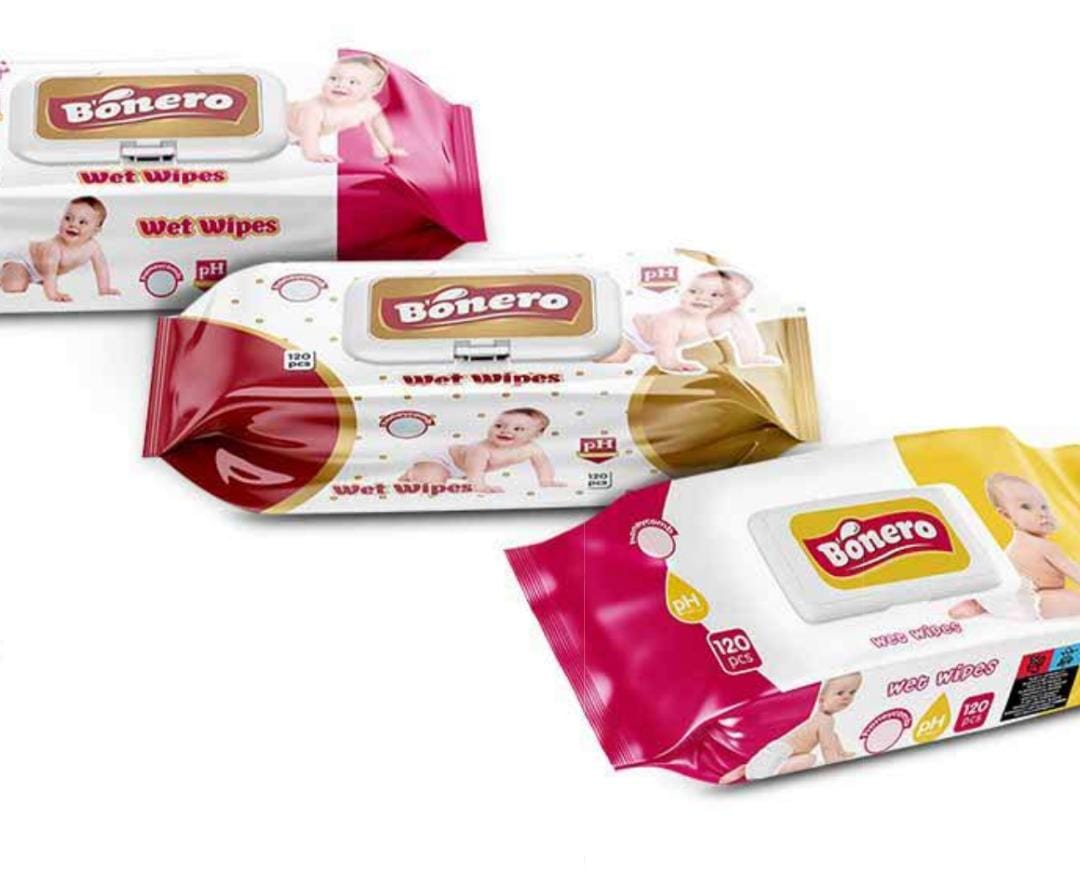
What to Look for When Choosing Wet Wipes
Wet wipes are one of the most frequently used baby care products. From diaper changes to cleaning hands and faces, parents rely on them multiple times a day. Because they come into direct contact with delicate skin, choosing the right wet wipes is not a minor decision.
With so many options on the market — different textures, ingredients, scents, and claims — it can be difficult to know what truly matters. This guide explains the most important factors to consider when choosing wet wipes, especially for babies with sensitive skin.
1. Check the Ingredient List First
The ingredient list is the most important place to start. Baby skin is thinner and more sensitive than adult skin, which means it can react quickly to harsh substances.
Look for:
-
Purified or deionized water as the main ingredient
-
Mild cleansing agents
-
Skin-conditioning ingredients such as glycerin
-
Dermatologically tested formulas
Avoid or be cautious with:
-
High alcohol content (can dry and irritate skin)
-
Strong artificial fragrances
-
Harsh preservatives
-
Parabens (many parents prefer paraben-free products)
Short, simple ingredient lists are often a good sign. The fewer unnecessary additives, the lower the risk of irritation.
2. Alcohol-Free Is Essential
Alcohol can be extremely drying, especially for babies who require frequent diaper changes. Repeated exposure may lead to redness, dryness, and discomfort.
When choosing wet wipes, always check for “alcohol-free” labeling. This is particularly important for newborns and babies with eczema-prone or sensitive skin.
3. Fragrance: Gentle or Fragrance-Free?
Fragrance is one of the most common causes of skin sensitivity in baby products. While lightly scented wipes may smell pleasant, they are not always the best option for delicate skin.
If your baby has sensitive skin, look for:
-
Fragrance-free wipes
-
Hypoallergenic formulas
For babies without sensitivity, lightly scented wipes may be acceptable, but mild formulas are always the safer choice.
4. pH Balance Matters
Healthy skin has a slightly acidic natural barrier. Products that are too alkaline can disrupt this barrier and increase the risk of irritation.
Wet wipes that are pH-balanced help maintain the skin’s natural protection. This is especially important in the diaper area, where moisture and friction already challenge the skin barrier.
5. Softness and Texture
Not all wipes feel the same. Some are thicker and softer, while others are thin and rougher.
Consider:
-
Softness: Gentle texture reduces friction on sensitive skin.
-
Thickness: Thicker wipes are usually stronger and more durable.
-
Stretch resistance: Wipes should not tear easily during use.
High-quality wipes should clean effectively without requiring excessive rubbing.
6. Moisture Level
Wet wipes should be adequately moist — not too dry and not overly soaked.
-
Too dry: Ineffective cleaning and increased friction.
-
Too wet: Messy application and product waste.
The right moisture level ensures gentle, efficient cleaning with minimal irritation.
7. Hypoallergenic and Dermatologically Tested Claims
Products labeled as hypoallergenic are formulated to minimize the risk of allergic reactions. While no product can guarantee zero reactions, this claim indicates careful formulation.
Dermatologically tested wipes provide additional reassurance that the product has been evaluated for skin compatibility.
For babies with known skin sensitivity, these two claims are particularly valuable.
8. Packaging Quality and Hygiene
Packaging plays a major role in maintaining product quality.
Look for:
-
Resealable lids that prevent drying
-
Secure closure systems
-
Durable packaging for travel
If the packaging does not close properly, wipes may dry out quickly and lose effectiveness.
9. Intended Use: Diaper Area vs. Multi-Purpose
Not all wet wipes are designed for the same purpose.
-
Diaper wipes: Formulated for sensitive areas and frequent use.
-
Multi-purpose wipes: Suitable for hands and face.
-
Antibacterial wipes: Designed for surfaces, not baby skin.
Always ensure the wipes are specifically labeled for baby use when cleaning sensitive areas.
10. Skin Sensitivity and Special Conditions
If your baby has:
-
Eczema
-
Frequent diaper rash
-
Very dry skin
You should choose ultra-gentle, fragrance-free, alcohol-free wipes with minimal ingredients.
In some cases, pediatricians may recommend specific formulations, especially for babies with recurring irritation.
11. Environmental Considerations
Some parents also consider environmental impact.
Options may include:
-
Biodegradable wipes
-
Plant-based fibers
-
Reduced plastic packaging
While sustainability is important, safety and skin compatibility should remain the primary focus.
12. Price vs. Quality
Lower-priced wipes may seem attractive, but very cheap products sometimes compromise on thickness or ingredient quality.
Instead of choosing solely based on price:
-
Compare ingredient lists
-
Evaluate durability
-
Check moisture retention
-
Read safety claims carefully
Quality wet wipes are an investment in your baby’s comfort and skin health.
Common Mistakes to Avoid
-
Choosing wipes based only on scent
-
Ignoring the ingredient list
-
Using adult or surface wipes on baby skin
-
Continuing to use wipes that cause redness or irritation
-
Not properly resealing packaging
If you notice redness or irritation after using a new brand, discontinue use and monitor the skin.
Frequently Asked Questions (FAQ)
1. Are fragrance-free wipes better for babies?
Yes, especially for sensitive skin. Fragrance-free wipes reduce the risk of irritation and allergic reactions.
2. Can wet wipes cause diaper rash?
If they contain harsh ingredients or alcohol, they may contribute to irritation. Gentle, pH-balanced wipes are less likely to cause problems.
3. How do I know if a wipe is safe for newborns?
Check for alcohol-free, fragrance-free, hypoallergenic labels and minimal ingredient formulas.
4. Are thicker wipes better?
Generally, thicker wipes are more durable and require less rubbing, which helps protect delicate skin.
5. Can I use antibacterial wipes on my baby?
No. Antibacterial wipes designed for surfaces should never be used on baby skin.
Final Thoughts
Choosing the right wet wipes is about more than convenience. It is about protecting delicate skin, preventing irritation, and ensuring daily comfort.
By carefully reviewing ingredients, checking for alcohol-free and pH-balanced formulas, and selecting soft, durable materials, parents can make safer and more informed decisions.
When it comes to baby care, small details matter — especially for products used multiple times every day.