
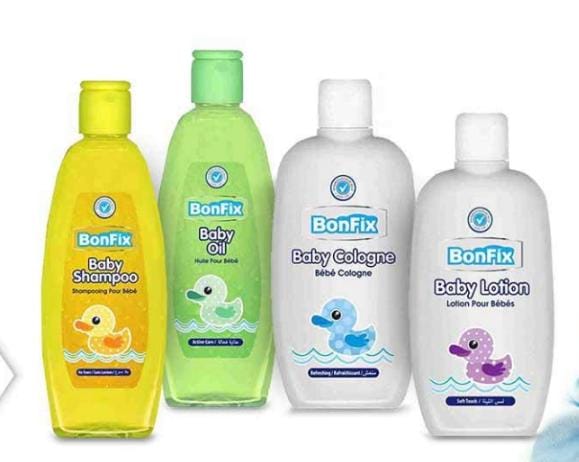
Safe Bath Products Guide for Babies
Introduction – Why Choosing the Right Bath Products Matters
A baby’s skin is very different from adult skin. It is thinner, more delicate, and more prone to dryness and irritation. During the first months of life, the skin barrier is still developing, which makes proper care essential.
Bath time is not only about cleanliness. It is also about protecting the natural balance of your baby’s skin. Using safe bath products for babies helps prevent dryness, redness, and discomfort while supporting healthy skin development.
This guide explains how to choose gentle, safe bath products and what to look for in labels, formulas, and daily routines.
Understanding Baby Skin: What Makes It Sensitive?
Newborn and infant skin:
-
Is thinner than adult skin
-
Loses moisture more easily
-
Is more sensitive to harsh chemicals
-
Reacts quickly to fragrance and strong surfactants
Because of these characteristics, babies need specially formulated bath products that cleanse without stripping natural oils.
Using regular adult soaps or heavily perfumed products can disrupt the skin barrier and lead to dryness or irritation.
What to Look for in Safe Bath Products for Babies
1. Mild and Gentle Cleansing Agents
Choose products labeled as:
-
Gentle cleanser
-
Mild formula
-
Suitable for newborns
Look for soft cleansing ingredients that remove dirt without over-drying the skin.
Avoid harsh soaps that create excessive foam, as they may remove protective oils from the skin.
2. pH-Balanced Formulas
Baby skin has a slightly acidic natural pH. Products designed to be pH-balanced help maintain the skin’s protective barrier.
When bath products respect the skin’s natural pH, they reduce the risk of dryness and irritation.
3. Fragrance-Free or Lightly Scented
Strong artificial fragrances can irritate delicate skin.
For sensitive babies, fragrance-free products are usually the safest option. If a product is scented, it should be mild and formulated specifically for infants.
4. Tear-Free Shampoo Formulas
During bath time, shampoo can easily get into a baby’s eyes.
“Tear-free” baby shampoos are designed to be gentle on the eyes while effectively cleaning the scalp and fine baby hair.
5. Dermatologically Tested Products
While labels can vary, products that are dermatologically tested offer an additional layer of reassurance that they have been evaluated for skin compatibility.
Essential Safe Bath Products for Babies
A simple and effective baby bath routine does not require many products. The essentials include:
Baby Body Wash
A mild baby body wash cleans the skin without causing dryness. It should be easy to rinse and leave no residue.
Ideal for daily or regular use.
Baby Shampoo
A gentle baby shampoo keeps the scalp clean and supports healthy hair growth. It should:
-
Be tear-free
-
Rinse easily
-
Not cause scalp dryness
Baby Moisturizing Lotion
After bathing, baby skin can lose moisture quickly.
Applying a gentle baby lotion helps:
-
Lock in hydration
-
Support the skin barrier
-
Prevent dryness and flaking
Choose a lightweight, non-greasy formula that absorbs easily.
Baby Cream for Dry Areas
Some babies may develop dry patches, especially on elbows, knees, or cheeks.
A slightly richer cream can provide extra moisture where needed.
Bath Time Routine: Step-by-Step Guide
Step 1: Prepare the Bath
-
Use warm (not hot) water
-
Keep bath time short (5–10 minutes)
-
Ensure the room is warm
Long baths can dry out baby skin.
Step 2: Use a Small Amount of Cleanser
A little product goes a long way.
Apply a small amount of baby body wash or shampoo to your hand or a soft cloth. Gently cleanse the skin and scalp.
Avoid scrubbing.
Step 3: Rinse Thoroughly
Leftover product residue can cause irritation.
Make sure to rinse folds of skin carefully, including:
-
Neck
-
Behind ears
-
Under arms
-
Diaper area
Step 4: Pat Dry – Do Not Rub
Use a soft towel and gently pat the skin dry.
Rubbing can cause irritation.
Step 5: Moisturize Immediately
Apply baby lotion within a few minutes after bath time while the skin is slightly damp.
This helps lock in moisture and keep skin soft and protected.
Ingredients to Avoid in Baby Bath Products
When choosing safe bath products for babies, avoid:
-
Strong artificial fragrances
-
Harsh sulfates
-
Alcohol-based formulas
-
Products with heavy artificial dyes
Always read labels carefully, especially for newborns or babies with sensitive skin.
Special Considerations for Sensitive or Dry Skin
Some babies are more prone to:
-
Eczema
-
Redness
-
Flaking
-
Irritation
In such cases:
-
Choose fragrance-free formulas
-
Use lukewarm water
-
Limit bath frequency if skin is very dry
-
Apply moisturizer more frequently
If persistent irritation occurs, consult a pediatrician.
Seasonal Bath Care Tips
Winter Care
Cold air and indoor heating can dry out baby skin.
-
Use richer moisturizing lotions
-
Avoid long baths
-
Moisturize at least twice daily
Summer Care
Hot weather can increase sweating and minor rashes.
-
Keep skin clean with gentle washing
-
Choose lightweight moisturizers
-
Ensure products rinse off easily
Why Simplicity Is Best
Parents often feel they need many products, but simple routines are usually more effective.
A gentle cleanser, mild shampoo, and nourishing lotion are often enough for healthy daily care.
Overusing products or switching too frequently can irritate baby skin.
Frequently Asked Questions (FAQ)
1. How often should I bathe my baby?
Newborns do not need daily baths. Two to three times per week is often sufficient, unless otherwise advised by a pediatrician.
2. Can I use regular soap for my baby?
It is not recommended. Adult soaps may be too harsh and can dry out delicate baby skin.
3. What does “tear-free” mean?
Tear-free formulas are designed to be gentle on the eyes and reduce discomfort if shampoo comes into contact with them.
4. Should I moisturize my baby every day?
Yes. Daily moisturizing helps protect the skin barrier and prevent dryness.
5. What should I do if my baby develops a rash?
Stop using any new products and consult a healthcare professional if the rash persists.
Conclusion – Protecting Your Baby’s Skin from the Start
Choosing safe bath products for babies is an important step in supporting healthy skin development. Gentle cleansing, proper moisturizing, and careful ingredient selection can prevent many common skin issues.
By keeping bath routines simple and using mild, baby-specific formulas, parents can ensure comfort, protection, and healthy skin for their little ones from the very beginning.