
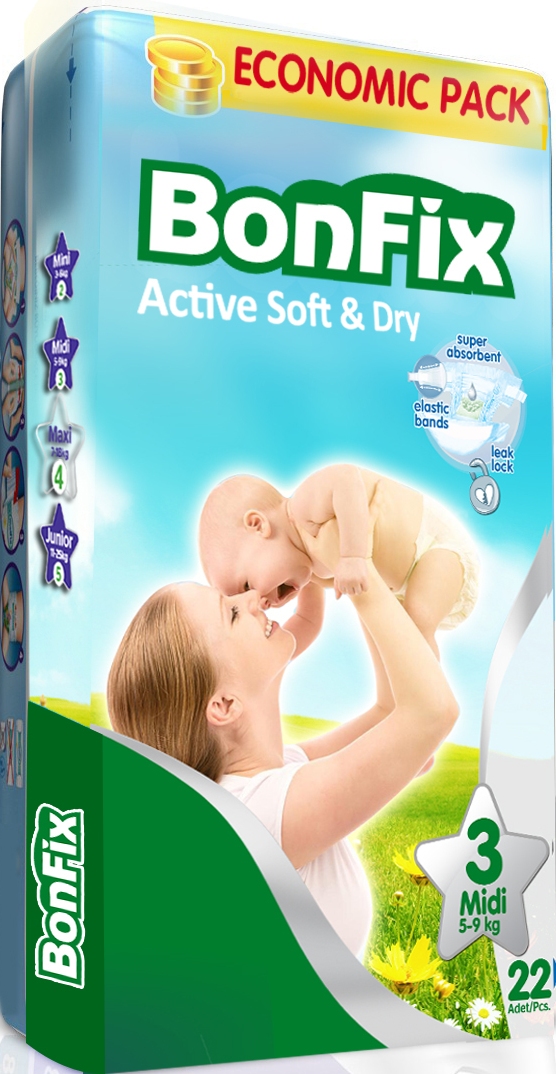
Budget-Friendly Strategies for Buying Baby Diapers
A Practical Wholesale Guide for Importers and Distributors
For importers and distributors across Africa, the Middle East and Latin America, buying baby diapers is not simply about securing the lowest price per carton.
It is about protecting margin, optimizing logistics, managing cash flow and choosing the right supplier structure for long-term stability.
In highly competitive markets where international brands, regional manufacturers and private labels compete aggressively, smart procurement strategies can make the difference between sustainable growth and constant price pressure.
This guide outlines practical, budget-friendly strategies for buying baby diapers in bulk, designed specifically for B2B professionals.
Understanding the Real Cost of Buying Baby Diapers Wholesale
Many first-time importers focus only on FOB price. However, the real landed cost includes:
-
Product price
-
Freight cost
-
Customs duties
-
Port charges
-
Inland transport
-
Warehousing
-
Credit cost
A supplier offering a slightly higher unit price but better container optimization may actually reduce your cost per diaper.
Example from Emerging Markets
In West Africa and parts of Latin America, distributors who shift from small-pack-heavy orders to mixed jumbo and medium pack containers often reduce their freight cost per piece significantly.
The key is calculating cost per diaper, not cost per carton.
Strategy 1: Optimize Container Utilization
Freight cost is one of the biggest variables in diaper import business.
To buy baby diapers in a budget-friendly way:
-
Compare cartons per 20ft and 40ft container
-
Evaluate total pieces per container
-
Analyze cubic volume efficiency
Larger or compressed packaging formats can improve loading capacity.
Before confirming any order, request:
-
Detailed packing list
-
Container loading plan
-
Estimated total pieces per shipment
This small step can protect several percentage points of margin.
Strategy 2: Balance Pack Sizes According to Market Behavior
A common mistake is ordering only small packs because they appear more affordable at retail level.
However:
-
Small packs increase logistics cost per unit
-
Jumbo packs reduce cost per piece
-
Medium packs often drive stable volume
A balanced mix typically performs better.
Recommended Entry Mix for Distributors
For new markets, consider:
-
Core sizes in medium packs
-
Limited small packs for traditional trade
-
Select jumbo packs for modern retail
This diversified approach spreads risk and maximizes profitability.
Strategy 3: Consider Private Label to Improve Margins
Buying international branded diapers often results in tight margins and heavy competition.
Private label production allows distributors to:
-
Control retail pricing
-
Build brand equity
-
Improve profit margin
-
Reduce direct price comparison
When working with a reliable manufacturer, you can customize:
-
Packaging design
-
Language
-
Piece count per pack
-
Carton configuration
For many distributors in Africa and the Middle East, private label diapers provide better long-term sustainability than trading well-known brands.
Strategy 4: Evaluate Supplier Stability, Not Just Price
Low price without production reliability can be costly.
Before committing to a supplier, assess:
-
Production capacity
-
Export experience
-
Communication responsiveness
-
Consistency in quality
-
Lead times
Frequent stock shortages or inconsistent quality can damage your market reputation and increase hidden costs.
Reliable suppliers typically provide:
-
Clear documentation
-
Stable lead times
-
Transparent commercial terms
In diaper trade, stability is more valuable than temporary discounts.
Strategy 5: Align Payment Terms with Cash Flow Strategy
Budget-friendly sourcing is also about financial planning.
Options may include:
-
Advance payment
-
Partial prepayment with balance against documents
-
Letter of Credit for larger volumes
Negotiating structured payment terms helps distributors:
-
Protect working capital
-
Improve stock turnover
-
Plan expansion more effectively
Always ensure payment structure aligns with your sales cycle.
Strategy 6: Focus on Quality to Avoid Hidden Costs
Choosing the cheapest diaper without evaluating quality can lead to:
-
High return rates
-
Customer complaints
-
Brand damage
-
Lost repeat sales
When sourcing baby diapers wholesale, evaluate:
-
Absorption performance
-
Leakage protection
-
Softness and comfort
-
Packaging durability
A slightly higher unit price may result in stronger brand loyalty and lower complaint costs.
Regional Considerations for Budget Diaper Sourcing
Africa
Price sensitivity is high in many markets. However:
-
Urban areas support larger pack formats
-
Private label brands are growing
-
Distributor branding plays a strong role
Logistics efficiency is critical due to longer shipping distances.
Middle East
Modern retail chains are well established in many countries.
-
Consumers compare price per piece
-
Quality perception is important
-
Jumbo packs perform well
Private label opportunities are increasing, especially in competitive segments.
Latin America
Strong competition from regional manufacturers requires:
-
Competitive landed cost
-
Efficient container loading
-
Balanced product mix
Medium packs often dominate volume, but value packs gain share in urban centers.
Why Work with a Turkish Manufacturer
Turkey has become a strategic sourcing hub for FMCG products including diapers.
Advantages include:
-
Competitive production costs
-
Strong export infrastructure
-
Shorter transit times to Africa and the Middle East
-
Geographic advantage between Europe and Asia
Working with a Turkish manufacturer can provide:
-
Professional export documentation
-
Flexible packaging configurations
-
Consistent communication
-
Reliable production planning
For distributors seeking long-term supply stability, sourcing from Turkey offers a balanced cost-to-quality ratio.
Common Mistakes to Avoid When Buying Baby Diapers
-
Focusing only on price per carton
-
Ignoring container optimization
-
Ordering unbalanced pack sizes
-
Choosing suppliers without export experience
-
Underestimating the value of private label
Avoiding these mistakes protects both margin and reputation.
Building a Sustainable Diaper Import Strategy
A successful diaper distribution business is built on:
-
Stable supply
-
Efficient logistics
-
Balanced packaging strategy
-
Strong quality consistency
-
Long-term supplier relationships
Budget-friendly buying is not about the cheapest offer. It is about intelligent purchasing decisions aligned with your market structure.
Frequently Asked Questions
1. What is the most cost-effective way to buy baby diapers wholesale?
Optimizing container loading and balancing pack sizes usually provides better savings than negotiating small price reductions.
2. Are jumbo packs always more profitable?
Not always. They reduce cost per piece but may rotate slower in low-income markets.
3. Is private label more profitable than branded diapers?
In many markets, yes. Private label allows better margin control and reduced direct price comparison.
4. How can I calculate real landed cost?
Include freight, customs, inland transport and warehousing when calculating cost per diaper.
5. What should I request from a supplier before ordering?
Packing list, container loading plan, lead time, payment terms and quality specifications.
Ready to Optimize Your Diaper Sourcing Strategy?
If you are an importer, distributor or retail chain looking for a stable and cost-efficient diaper supply solution, our export team is ready to assist.
We can provide:
-
Detailed packing configurations
-
Container optimization calculations
-
Competitive quotations
-
Private label solutions
-
Sample requests
Contact us today to discuss how we can support your diaper sourcing strategy and help you build a profitable distribution portfolio.