
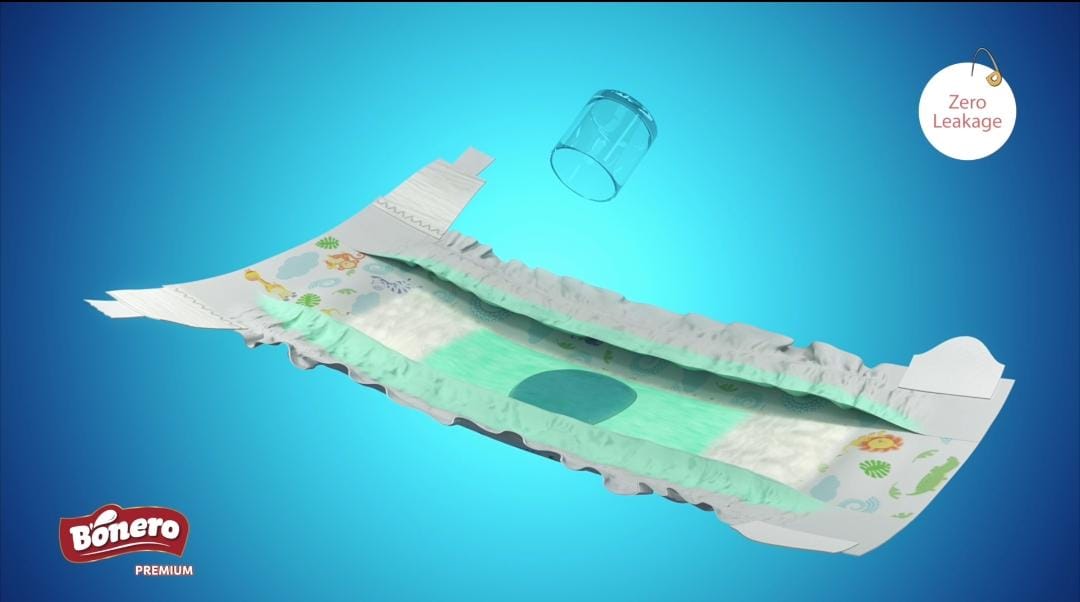
A Guide to Preventing Diaper Leakage
Practical Insights for Importers, Distributors and Private Label Buyers
For importers, distributors and retail chains across Africa, the Middle East and Latin America, diaper leakage is more than a product defect — it is a direct threat to brand reputation, repeat purchases and long-term contracts.
In high-turnover FMCG categories like baby diapers, one recurring issue such as leakage can quickly lead to:
-
Customer complaints and product returns
-
Increased distributor pressure
-
Loss of shelf space in retail chains
-
Damage to private label credibility
Understanding how to prevent diaper leakage — from manufacturing specifications to logistics and storage — is essential for any serious B2B buyer working with an international supplier.
This guide explains the technical, commercial and operational aspects of preventing diaper leakage and how importers can minimize risks before, during and after sourcing.
Why Diaper Leakage Is a Critical B2B Risk
In retail environments where parents compare products closely, leakage is one of the fastest reasons for brand switching.
From a B2B perspective, leakage causes:
1. Higher Return Rates
Retailers may request compensation or product replacement.
2. Margin Erosion
Promotions or discounts are often used to clear problematic stock.
3. Brand Damage
Private label diapers depend heavily on trust. One bad batch can affect future orders.
4. Distributor Relationship Strain
Frequent quality claims increase operational friction.
For exporters and manufacturers, preventing leakage starts at product design. For importers, it starts at supplier selection.
The Main Causes of Diaper Leakage
Preventing diaper leakage requires understanding the technical reasons behind it.
1. Insufficient Absorbent Core Performance
The absorbent core typically contains fluff pulp and superabsorbent polymer (SAP). If:
-
SAP ratio is too low
-
Pulp distribution is uneven
-
Core weight is below specification
Leakage becomes likely during overnight use or high-fluid events.
B2B Tip: Always request technical specifications including total absorbent weight per size and SAP ratio.
2. Poor Leg Cuff Design
Leakage often occurs from the sides, especially in active babies.
Effective anti-leak leg cuffs require:
-
Elastic tension balance
-
Proper nonwoven material
-
Consistent ultrasonic sealing
If leg barriers collapse or are too loose, side leakage increases significantly.
3. Incorrect Sizing Strategy
Importers sometimes reduce size assortment to simplify logistics. However:
-
A size too small causes pressure leakage
-
A size too large causes gaps
Both lead to complaints.
Recommendation: Adapt size mix to average baby weight in your target market.
4. Weak Back Sheet or Lamination
Low-quality polyethylene film or improper lamination can result in:
-
Micro-tears
-
Moisture penetration
-
Structural weakness
This is often seen in very low-cost products.
5. Storage and Transportation Conditions
Even high-quality diapers can fail if:
-
Stored in high humidity
-
Compressed under heavy pallets
-
Exposed to extreme heat
Humidity affects absorption performance over time.
For importers shipping to tropical regions, container conditions matter.
Technical Specifications Importers Should Verify
To prevent leakage, B2B buyers should evaluate more than price.
Absorbent Capacity Testing
Request information about:
-
Free swell capacity
-
Retention under pressure
-
Rewet values
Lower rewet values indicate better dryness performance.
Elastic and Fit Testing
Manufacturers should conduct:
-
Stretch recovery testing
-
Adhesive strength testing
-
Side seam durability checks
Consistency in mass production is critical.
Production Line Stability
Modern high-speed diaper lines reduce variation. Buyers should confirm:
-
Automated quality control systems
-
Metal detection
-
In-line weight monitoring
Consistency reduces risk of leakage complaints.
Private Label Diapers: How to Protect Your Brand
For private label buyers, preventing diaper leakage is even more crucial.
When your brand name is on the packaging, the responsibility is fully yours in the eyes of consumers.
Key Actions:
-
Approve production samples before bulk manufacturing
-
Request pre-shipment inspection reports
-
Maintain clear technical specifications in contracts
-
Avoid over-aggressive cost reduction
Cutting costs in absorbent core materials often leads directly to leakage issues.
Market-Specific Considerations
Africa
-
Hot climate and humidity affect storage
-
Distribution chains may be longer
-
Strong demand for value-tier diapers
Balance cost with core absorbency performance.
Middle East
-
High expectations for overnight performance
-
Preference for premium positioning in urban markets
-
Retail competition is strong
Leakage complaints can quickly damage brand perception.
Latin America
-
Price sensitivity in some regions
-
Growing demand for private label
-
Expanding supermarket chains
Quality consistency is key to securing repeat orders.
Quality Control Before Export
Professional manufacturers implement:
-
Raw material inspection
-
In-line quality checks
-
Finished goods random sampling
Importers should request batch traceability systems.
Even if specific certifications vary by manufacturer, working with suppliers that operate under internationally recognized food and hygiene safety management systems adds credibility and structure to production processes.
Logistics and Packaging Considerations
Leakage prevention also depends on packaging strength.
Important Factors:
-
Carton compression resistance
-
Proper palletization
-
Container loading plan
-
Moisture protection
For long-distance exports, container desiccants may help reduce humidity exposure.
Cost vs Quality: Finding the Right Balance
Many leakage problems originate from aggressive price negotiations.
Reducing:
-
SAP percentage
-
Core weight
-
Elastic quality
may reduce cost slightly but increase complaint risk dramatically.
For B2B buyers, the real question is:
Is saving $0.01 per diaper worth losing a distributor contract?
Long-term profitability depends on performance stability.
Building Long-Term Partnerships with the Right Manufacturer
Preventing diaper leakage is not just about product design — it is about partnership.
Serious exporters:
-
Maintain consistent raw material sourcing
-
Monitor production quality daily
-
Provide technical transparency
-
Support clients with documentation
When selecting a supplier, evaluate communication speed, documentation clarity and problem-solving capability — not only price.
Checklist for Importers Before Confirming an Order
✔ Review full technical specifications
✔ Request product samples
✔ Test overnight performance
✔ Verify packaging durability
✔ Discuss storage recommendations
✔ Define complaint handling procedure
✔ Clarify private label artwork approvals
A structured approach significantly reduces post-shipment issues.
Conclusion: Leakage Prevention Is a Strategic Advantage
In the diaper business, product performance defines brand survival.
For importers and distributors in emerging and competitive markets, preventing diaper leakage is not a minor technical detail — it is a core commercial strategy.
Working with an experienced export-oriented manufacturer, maintaining clear specifications and prioritizing quality consistency are the most effective ways to protect margins and reputation.
If you are looking to develop or improve your private label diaper line, or want to reduce complaint rates in your distribution network, it is essential to partner with a supplier that understands both production and export realities.
Contact our export team today to discuss your target market, size mix and technical requirements.
We are ready to support your next diaper project with professional B2B solutions tailored to your region.
FAQ – Preventing Diaper Leakage (B2B Focus)
1. What is the most common cause of diaper leakage in imports?
The most common cause is insufficient absorbent core performance, often due to reduced SAP content or uneven distribution.
2. How can importers test diaper quality before bulk orders?
Importers should request samples and conduct absorbency, rewet and overnight performance tests under real-use conditions.
3. Does climate affect diaper performance?
Yes. High humidity and heat can impact storage conditions and reduce absorbent efficiency over time.
4. Are cheaper diapers always more likely to leak?
Not always, but extreme cost reduction often reduces absorbent materials and elastic quality, increasing leakage risk.
5. How can private label buyers reduce complaint rates?
By defining strict technical specifications, approving samples carefully and working with experienced export manufacturers that prioritize consistent production quality.